Most people empty the lint trap and immediately throw the lint away. However, dryer lint can be surprisingly useful when reused correctly. From starting campfires to creating craft projects, this common household byproduct can serve many practical purposes.
Before repurposing dryer lint, make sure it is clean and free from harmful chemicals. If you frequently wash synthetic fabrics, be aware that lint may contain microplastics that are not suitable for composting or gardening applications.
Is Dryer Lint Safe to Reuse?
Dryer lint is primarily made up of tiny fibers shed from clothing during the drying cycle. Lint from natural materials such as cotton, wool, or linen is generally safer for composting and gardening. Lint containing synthetic fibers should be limited to non-garden uses such as crafts, packing material, or fire starters.
11 Creative Ways to Reuse Dryer Lint
Outdoor & Fire Uses
1. Make DIY Fire Starters
Materials Needed:
- Dryer lint
- Toilet paper rolls or egg cartons
- Wax (optional)
Instructions: Stuff lint into cardboard tubes or egg cartons. For a longer burn time, pour melted wax over the lint and allow it to harden. These homemade fire starters work well for campfires, fireplaces, and charcoal grills.
2. Create Eco-Friendly Paper Fire Logs
Materials Needed:
- Dryer lint
- Old newspapers
- Water
Instructions: Soak newspaper in water, mix with dryer lint, and shape into logs. Allow them to dry completely before use.
3. Absorb Small Oil Spills
Because lint is highly absorbent, it can help soak up small amounts of oil or grease in garages and workshops. Dispose of used lint properly after cleanup.
Home & Gardening Uses
4. Add Natural-Fiber Lint to Compost
Lint made from cotton, wool, and other natural fibers can contribute carbon to your compost pile. Avoid adding lint containing large amounts of synthetic fibers.
5. Use as Garden Mulch
Natural-fiber lint may help retain soil moisture and suppress weeds when applied in thin layers around plants.
6. Use as Packing Material
Instead of plastic packing peanuts, use clean dryer lint to cushion fragile items during shipping. It is lightweight and biodegradable.
7. Stuff Homemade Pillows and Cushions
Clean lint can be used as lightweight filling for small decorative pillows, cushions, and handmade plush projects.
Crafts & DIY Projects
8. Make Creative Art Projects
Materials Needed:
- Dryer lint
- Glue
- Paint
- Paper
Instructions: Mix lint with glue to create textured shapes and decorations. Once dry, paint and customize your designs.
9. Create Papier-Mâché Pulp
Materials Needed:
- Dryer lint
- Flour
- Water
Instructions: Combine the ingredients to form a thick pulp suitable for sculptures, masks, and school projects.
10. Make Handmade Paper
Materials Needed:
- Dryer lint
- Water
- Blender
- Screen frame
Instructions: Blend lint and water into a pulp, spread it across a screen, and allow it to dry into unique handmade paper.
11. Use in Decorative DIY Creations
Lint can be incorporated into seasonal decorations, ornaments, and mixed-media artwork, giving projects texture while reducing waste.
When Not to Reuse Dryer Lint
- Avoid composting lint that contains large amounts of polyester, nylon, or acrylic fibers.
- Do not use lint that may contain chemical residues from harsh cleaning products.
- Avoid using lint as bedding for pets if you are unsure about the materials or detergents used.
- Never store large amounts of dryer lint near heat sources due to its flammability.
Final Thoughts
Dryer lint may seem like waste, but it can be repurposed in many creative and practical ways. Whether you use it for fire starters, compost, packaging, or DIY projects, reusing lint helps reduce household waste and supports a more sustainable lifestyle.
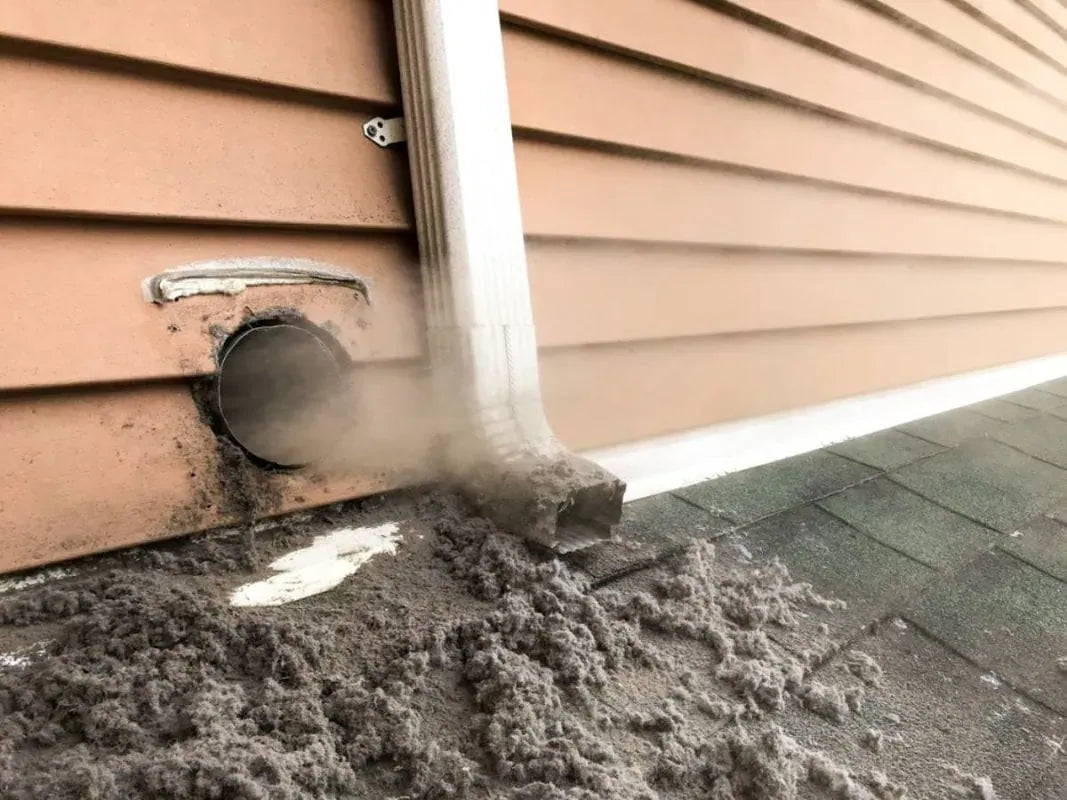
Of course, the best way to manage dryer lint is to prevent excessive buildup in the first place. Regularly cleaning your lint trap and dryer vent improves dryer efficiency, reduces drying times, and helps lower the risk of dryer fires.
```
Why Does My Dryer Produce So Much Lint?
Finding a large amount of lint in your dryer after every load is completely normal. Lint is made up of tiny fibers that shed from clothing, towels, bedding, and other fabrics during washing and drying. However, excessive lint buildup may indicate that your dryer system needs attention.
1. Natural Fabric Wear
Every time clothes tumble inside the dryer, small fibers break away from the fabric. Cotton towels, fleece garments, and older clothing typically produce the most lint.
2. Over-Drying Clothes
Running drying cycles longer than necessary causes additional friction between fabrics, leading to increased fiber loss and more lint production.
3. A Clogged Dryer Vent
When the dryer vent becomes partially blocked, airflow is restricted. Poor airflow causes clothing to tumble longer and hotter than necessary, which can increase lint generation while reducing dryer efficiency.
4. An Overloaded Dryer
Packing too many items into a single load creates extra friction between garments. This additional rubbing can produce significantly more lint.
5. Aging Fabrics
Older clothing naturally sheds more fibers over time. If you notice certain garments consistently producing large amounts of lint, fabric wear may be the primary cause.
Don't Forget to Clean Your Dryer Vent
While reusing dryer lint can be fun and eco-friendly, it's equally important to prevent excessive lint buildup inside your dryer system. Lint that escapes the lint trap can accumulate inside the dryer vent, restricting airflow and increasing drying times.
Regular dryer vent maintenance helps:
- Improve dryer efficiency
- Reduce energy consumption
- Shorten drying times
- Lower the risk of dryer fires
- Extend the lifespan of your dryer
If your clothes are taking longer than usual to dry or your dryer feels unusually hot, inspect your dryer vent and exhaust duct for lint buildup. Replacing damaged ducts and maintaining proper airflow can help keep your laundry system running safely and efficiently.