Why Proper Dryer Vent Installation Matters
A dryer vent system removes hot air, moisture, and lint from your dryer and directs them safely outdoors. If the vent hose is loose, crushed, or poorly sealed, airflow becomes restricted, causing the dryer to work harder and increasing the risk of overheating.
Proper dryer vent installation enhances drying performance, prolongs the life of your dryer, and helps mitigate fire risk associated with lint accumulation.
Dryer Vent Duct vs Dryer Vent Hose: What’s the Difference?
The terms dryer vent duct and dryer vent hose are often used interchangeably, but they refer to different parts of a dryer vent system.
A dryer vent duct usually refers to the rigid or semi-rigid metal ductwork that runs through walls, ceilings, or floors to carry hot air and lint from the dryer to the outside of the home. These ducts are designed for long-term installation and are typically fixed in place.
A dryer vent hose, on the other hand, is the flexible section that connects the dryer itself to the wall vent duct. This hose allows the dryer to be moved slightly for installation, cleaning, or maintenance.

Understanding the difference between a dryer vent duct and a dryer vent hose is important during installation. The hose handles the short connection behind the dryer, while the duct ensures safe and efficient airflow all the way outdoors. Both components must be properly installed to prevent airflow restrictions, lint buildup, and safety hazards.
Best Materials for Dryer Vent Installation
Choosing the right materials is a critical part of connecting a dryer vent hose safely.
Rigid or semi-rigid metal dryer vent hoses are highly recommended because they are heat-resistant, durable, and less likely to trap lint. Flexible plastic or vinyl hoses should be avoided, as they can sag, tear easily, and increase the risk of lint buildup and fire hazards.
All connections should be sealed with UL-listed aluminum foil tape. Standard duct tape is not suitable for dryer vents because it can dry out and fail under heat.

Recommended: Hon&Guan 4-inch Semi Rigid Dryer Vent Hose, Clamps, and Aluminum Tape Included. An all-in-one kit makes your choice easier. Click here to see more
Step-by-Step: How to Connect the Dryer Vent Hose
Tools & Preparation
Before starting, gather these essentials:
- Flathead or Phillips screwdriver
- Metal clamp and aluminum foil tape (not standard duct tape)
- Vacuum or lint brush (optional)
- Utility knife or scissors (if trimming hose)
STEP 1. Disconnect Power and Prepare the Area
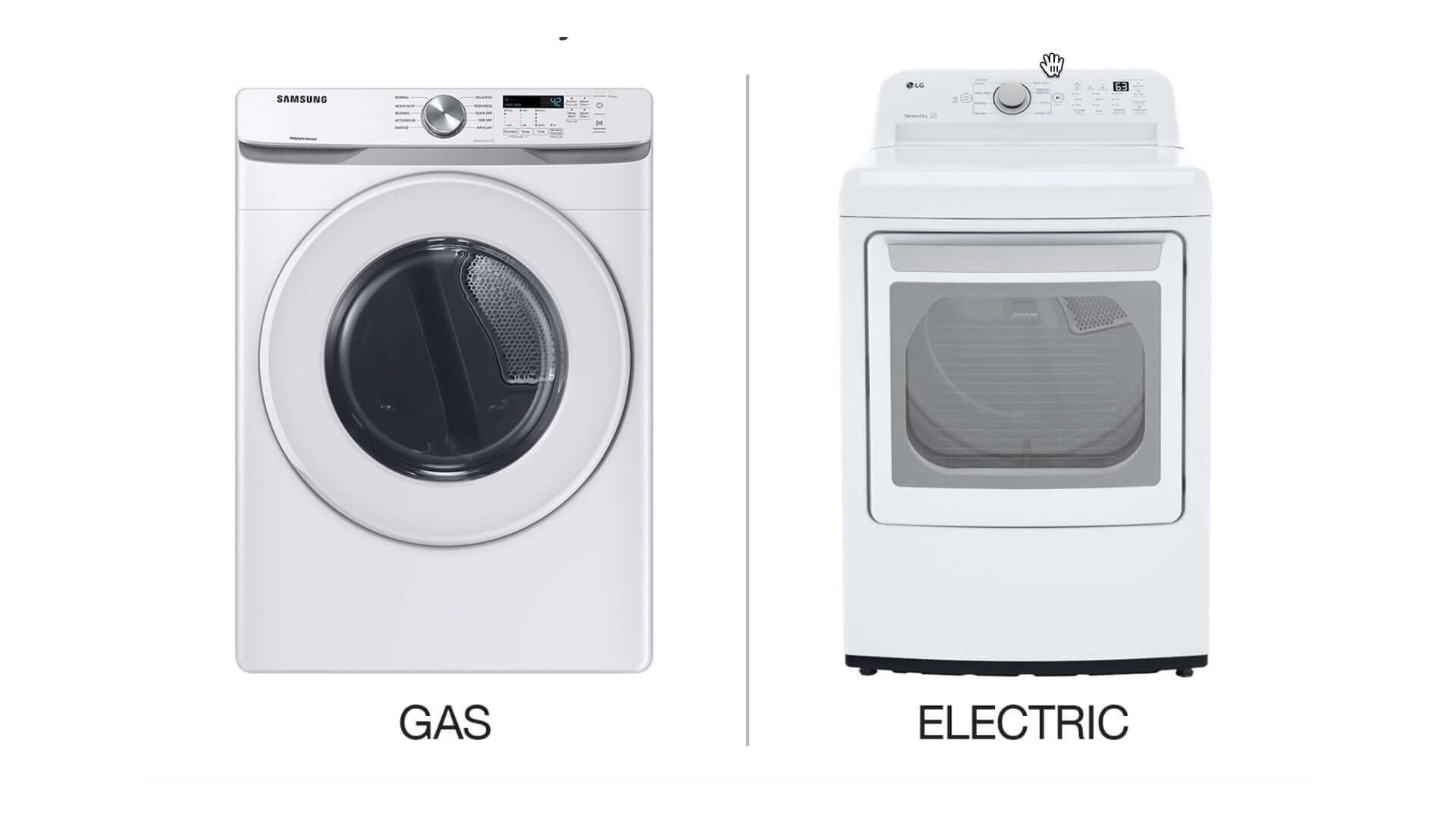
Unplug the dryer from the electrical outlet. If you have a gas dryer, turn off the gas supply as well. Carefully pull the dryer away from the wall to access the exhaust outlet.
If replacing an old vent hose, remove it and clean any lint buildup around the dryer vent port and wall connection.
Step 2: Measure and Cut the Vent Hose
Measure the distance between the dryer exhaust outlet and the wall vent. Keep the hose as short and straight as possible to maintain proper airflow.
Cut the dryer vent hose slightly longer than needed so it is not stretched tight during installation.
Step 3: Attach the Hose to the Dryer
Secure the hose firmly to the exhaust port. A common Reddit complaint: “I have hose clamps … but the hose keeps slipping off.” Many people fixed this by using both a clamp and foil tape: “The tape first and clamp second, it is the way.”
Then, tighten the metal clamp without crushing the hose. Wrap a layer of aluminum foil tape around the connection to reinforce it. One user learned the hard way that adding duct tape on top of foil tape causes sticky failure—stick with foil tape and a clamp.

Step 4: Connect the Hose to the Wall Vent
Attach the other end of the vent hose to the wall or floor vent outlet. Secure it with another hose clamp and seal the joint with foil tape.
Make sure the hose is not kinked, twisted, or sharply bent.
STEP 5. Position the Dryer and Test Before Pushing the Dryer Back
Carefully push the dryer back into place while guiding the vent hose by hand to avoid crushing it. Run the dryer on a high-heat setting for several minutes and confirm that warm air is flowing from the outdoor vent.

Dryer Vent Safety and Maintenance Tips
- Lint filter: Clean it after every load.
- Vent hose: Inspect every 6 to 12 months. One user reported a hose that was torn nearly all the way around before replacement.
- Exterior vent: Avoid mesh or screens—these can trap lint and lead to a fire.
Common Dryer Vent Installation Scenarios
Installing a Dryer Vent Hose in Tight Spaces
In small laundry rooms, the space behind the dryer may be limited. Using a semi-rigid metal vent hose and minimizing bends can help maintain airflow without crushing the hose.
Tight spaces are a frequent pain point—one Redditor described how a recessed port and cramped space made aligning the hose nearly impossible (see more).
Installing a Dryer Vent Hose for Stackable Dryers
Stackable washer-dryer units often require vertical venting. Ensure the hose is securely clamped and supported to prevent sagging or separation over time.
Installing a Dryer Vent Hose for Long Vent Runs
If the dryer vent line runs a long distance to the exterior wall, keeping the hose straight and reducing the number of bends is especially important to prevent lint buildup.
Keep the hose short and straight because an accordion-style hose bends, traps lint, and reduces airflow. If trimming is needed, measure accurately and cut with care. Aim for minimal length—just enough to reach the wall vent without extra loops.

Redditor describes this bent setup as "an abomination".
FAQ
Q: Can a dryer vent hose be too short?
Yes. A hose that is too short can become stretched or disconnected. Always allow slight slack without creating excess length.
Q: Can I use duct tape on my dryer vent hose?
A: No. Standard duct tape can’t withstand heat. Use UL-approved foil tape instead.
Q: What’s the best hose for tight spaces?
A: A semi-rigid aluminum hose with a 90° elbow fitting is safest and most space-efficient.
Q: How often should I replace my vent hose?
A: Inspect annually and replace if torn, kinked, or heavily lint-clogged—usually every 3 years.
Q: How often should dryer vent hoses be cleaned?
Dryer vent hoses should be inspected and cleaned at least once a year, or more often with heavy use.
Q: Can I reuse an old dryer vent hose?
Reusing an old hose is not recommended if it shows signs of damage, corrosion, or lint buildup.
Final Thoughts
Learning how to install a dryer vent hose properly improves dryer performance, reduces energy costs, and lowers fire risk. By following this step-by-step guide and using the right materials, even beginners can complete dryer vent line installation safely and confidently.