If your dryer vent hose is clogged, poorly ventilated, or lacks proper airflow, your laundry room can quickly start to feel like a small sauna. Clothes may take longer to dry, humidity can build up indoors, and in serious cases, overheated lint can even cause a fire hazard.
A healthy dryer vent system works a lot like the human respiratory system. When airflow moves freely, everything functions smoothly. But when airflow becomes restricted, pressure and heat begin to build.
In this guide, we’ll explain how dryer vent systems work, why summer heat makes ventilation problems worse, and which ventilation products can help improve safety and efficiency.
Table of Contents
- Why Summer Heat Makes Dryer Vent Problems Worse
- How a Dryer Vent System Actually Works
- Dryer Vent Hose: The Foundation of Proper Airflow
- Why Exterior Wall Vents Matter More in Summer
- Booster Fans for Long Dryer Vent Runs
- Warning Signs Your Dryer Vent Is Overheating
- The Hidden Fire Risks of Poor Ventilation
- Real Dryer Fire Cases and What Caused Them
- Summer Dryer Vent Maintenance Checklist
- Final Thoughts
Why Summer Heat Makes Dryer Vent Problems Worse
Your dryer already produces a large amount of heat during normal operation. In summer, that hot air must travel through an environment that is already warm and humid, making ventilation much less efficient.
Imagine trying to jog while breathing through a thick scarf on a hot day. That’s similar to what your dryer experiences when airflow becomes restricted during summer heat.
Hot air naturally struggles to dissipate when outdoor temperatures rise. Moisture also lingers longer inside dryer duct systems, increasing the likelihood of lint sticking to the inner walls of the dryer vent hose.
As lint accumulates, airflow becomes weaker. The dryer then works harder and longer to dry clothes, which creates even more heat buildup. This cycle can reduce energy efficiency, increase electricity costs, and place additional strain on your appliance.
Homes with long dryer exhaust vent systems are especially vulnerable during heat waves because warm air loses pressure over distance.
How a Dryer Vent System Actually Works
Many homeowners think the dryer itself handles all the work, but the entire dryer vent system plays a major role in safety and performance.
A complete ventilation system includes several important components:
1. Dryer Vent Hose
The dryer vent hose acts as the main pathway for hot air, moisture, lint particles, and gases to exit your home.
Without proper airflow through the dryer duct hose, humid air can remain trapped indoors, creating excess heat and potential mold issues.
2. Exterior Wall Vent
The exterior wall vent functions like the “exit door” of the ventilation system. It allows hot air to leave while helping prevent rainwater, insects, debris, and outdoor air from entering the duct.
3. Booster Fan
For homes with long duct runs, an inline booster fan helps maintain strong airflow across the entire ventilation path.
Think of the system like a highway:
- The dryer vent hose is the main road
- The wall vent is the highway exit
- The booster fan works like a turbocharger, pushing airflow forward
When all three components work together properly, your dryer can remove heat and moisture much more efficiently.

Dryer Vent Hose: The Foundation of Proper Airflow
A high-quality dryer vent hose is one of the most important parts of the entire system.
Unfortunately, many homes still use old plastic or thin foil ducts that easily collapse under pressure or trap lint inside rough interior surfaces.
During summer, these problems become even more dangerous because heat accumulates faster inside restricted ducts.
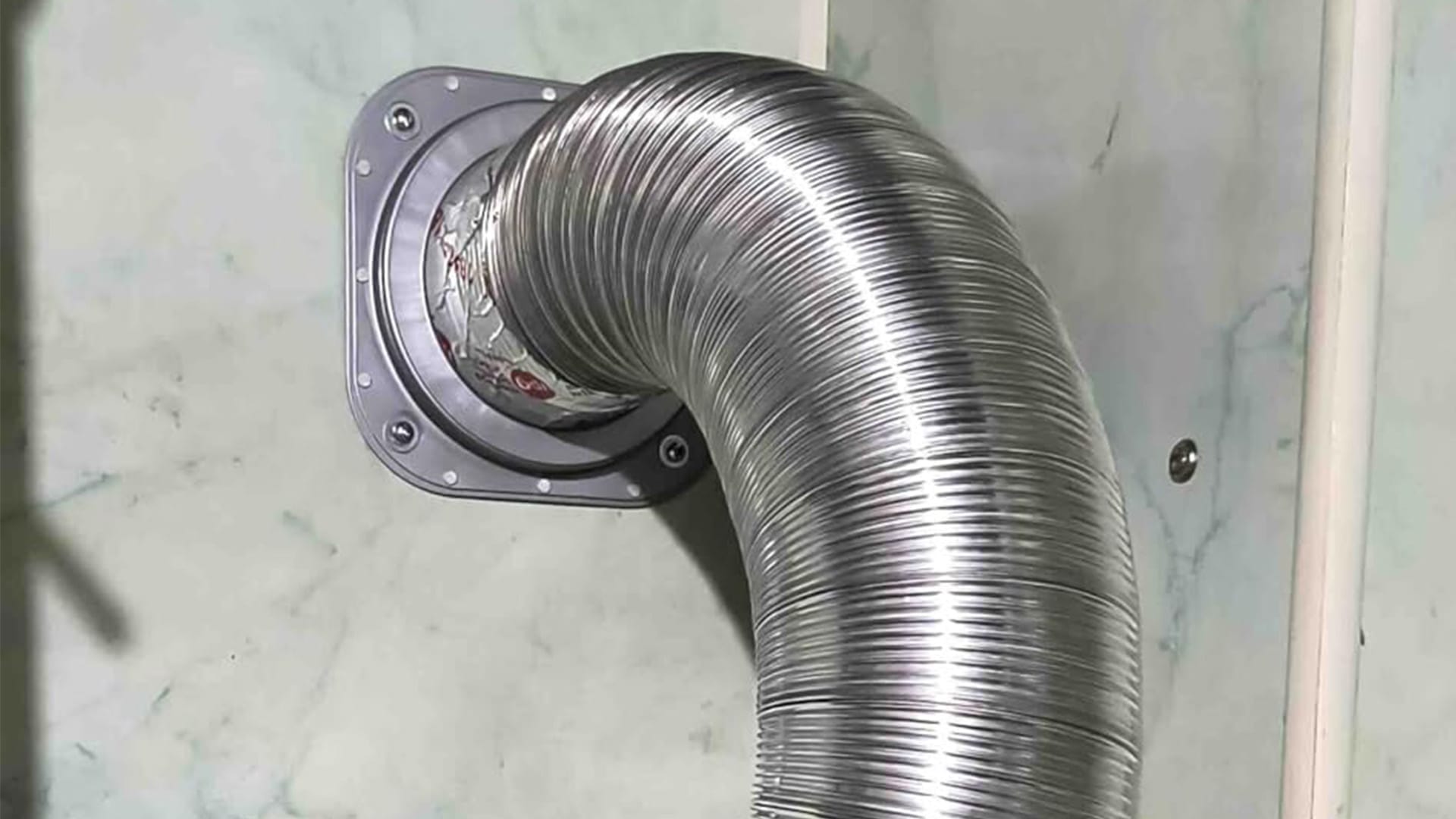
A smoother aluminum dryer hose allows air to move more freely while improving heat resistance and reducing lint buildup.
Recommended Product:

This type of flexible dryer vent hose helps improve airflow while supporting easier installation in tight laundry spaces.
Replacing an aging dryer vent replacement duct may also help shorten drying times and reduce stress on your dryer motor.
If your clothes are suddenly taking two or three cycles to dry, your dryer hose may already be warning you that airflow is restricted.
Why Exterior Wall Vents Matter More in Summer
Exterior wall vents are often overlooked because they sit outside the house, where homeowners rarely check them.
But during summer, outdoor vents face multiple challenges:
- Heavy rainstorms
- Humidity buildup
- Insect intrusion
- Dust and debris accumulation
- Hot outdoor air pushing backward into the vent
A poorly designed wall vent can trap moisture or become clogged over time, weakening the entire dryer exhaust vent system.
You can think of the wall vent as your home's “nose.” If the opening becomes blocked, airflow immediately becomes restricted.
Recommended Product:
HG Power Dryer Wall Vent Cover
Features like removable mesh covers and easy-clean ventilation access can help maintain strong airflow while reducing lint buildup and outdoor contamination.
Proper exterior ventilation becomes especially important during rainy summer months when moisture levels are already high.
Booster Fans for Long Dryer Vent Runs
Not every laundry room sits right next to an exterior wall.
In apartments, multi-story homes, or houses with complicated layouts, dryer vents may need to travel long distances before reaching the outside.
The longer the duct system becomes, the weaker the airflow naturally gets.
It’s similar to blowing air through a short straw versus a very long one. The farther air must travel, the harder it becomes to maintain pressure.
This is where a dryer booster fan becomes extremely useful.
An inline duct fan helps push hot air through long vent systems more efficiently, reducing trapped heat and improving overall dryer performance.
Recommended Product:

Booster fans can help:
- Improve dryer airflow
- Reduce drying times
- Prevent excessive heat buildup
- Support longer duct installations
- Reduce moisture accumulation indoors
For homes with difficult ventilation layouts, a booster fan can significantly improve summer ventilation efficiency.
Warning Signs Your Dryer Vent Is Overheating
Many dryer ventilation problems begin with subtle warning signs that homeowners often ignore.
Watch for these symptoms:
- Clothes taking unusually long to dry
- The laundry room becoming extremely hot
- A burning smell during operation
- Excess humidity indoors
- Weak airflow from the outdoor vent
- The dryer exterior feeling excessively hot
- Lint collecting around duct connections
If your laundry room feels hotter than the rest of your house after every drying cycle, your dryer vent system may already be struggling.
Ignoring these signs can eventually lead to severe overheating problems.
The Hidden Fire Risks of Poor Ventilation
One of the biggest dangers of poor dryer ventilation is fire.
Lint may look soft and harmless, but it is actually highly flammable.
When airflow becomes blocked, hot air remains trapped inside the dryer vent hose. Temperatures continue rising while lint accumulates along the duct walls.
Over time, this creates the perfect environment for ignition.
According to the U.S. Fire Administration, thousands of residential dryer fires occur every year, and failure to clean dryer vents remains one of the leading causes.
Source:
U.S. Fire Administration – Clothes Dryer Fire Safety
The National Fire Protection Association (NFPA) also reports that lint buildup is a major contributor to dryer-related fires.
Source:
National Fire Protection Association
What makes summer especially risky is that the surrounding environment is already hot, meaning ventilation systems have less cooling capacity from the start.
Real Dryer Fire Cases and What Caused Them
Dryer vent fires are not theoretical problems — they happen in real homes every year.
In one reported incident, a clogged dryer vent filled with lint caused a residential fire after airflow became severely restricted.
News Source:
In another case, firefighters discovered excessive lint buildup inside a long dryer duct system after responding to smoke coming from a laundry room.
News Source:
Firehouse Dryer Vent Fire Coverage
Most of these incidents share the same root causes:
- Poor airflow
- Lint accumulation
- Lack of maintenance
- Improper vent installation
- Overheating due to restricted ducts
The good news is that many of these fires are preventable with proper ventilation equipment and regular inspection.
Summer Dryer Vent Maintenance Checklist
Every Month
- Inspect visible lint around the dryer vent hose
- Check airflow from the exterior vent
- Remove lint from accessible vent openings
- Listen for unusual dryer noises
Every 3–6 Months
- Inspect the dryer duct hose for damage
- Check for crushed or bent vent sections
- Examine the wall vent for debris or insects
- Inspect booster fan airflow performance
Once Per Year
- Perform a full dryer vent cleaning
- Inspect the complete dryer vent system
- Replace worn ventilation components if needed
- Confirm airflow efficiency throughout the duct system
Preventive maintenance is always cheaper — and safer — than dealing with a house fire or replacing an overheated dryer.
Final Thoughts
Summer heat doesn’t only affect air conditioners. Your dryer vent system also works harder during hot weather, especially when airflow is restricted.
By improving ventilation, upgrading old dryer vent hoses, maintaining clean wall vents, and supporting long duct systems with booster fans, homeowners can improve efficiency while reducing fire risks.
A properly ventilated dryer system helps:
- Reduce overheating
- Improve drying efficiency
- Lower energy costs
- Protect indoor air quality
- Reduce fire hazards
Explore Recommended Ventilation Products: