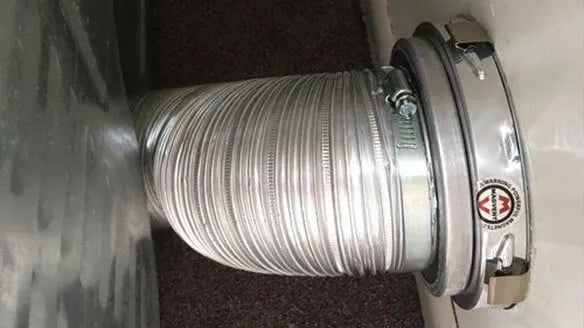
Have you ever walked into your laundry room on a cold day and felt an unexpected draft of chilly air? Even when your dryer is off, cold air can sneak in through the vent, making the space uncomfortable and raising concerns about energy loss and home safety.
This issue is more common than you might think. In this guide, we’ll break down why cold air comes through your dryer vent, whether it’s dangerous, and how you can fix it effectively using simple, practical solutions.
Table of Contents
- What Causes Cold Air in the Dryer Vent?
- Is It Dangerous?
- Real Cases & News
- How to Stop Cold Air
- Prevention Tips
- Conclusion
What Causes Cold Air to Come Through the Dryer Vent?
Cold air entering your home through the dryer vent is usually the result of an airflow imbalance, structural weaknesses, or missing protective components. While it may seem like a minor annoyance, it often points to deeper issues within your vent system. Let’s break down the most common causes in detail.
1. Backdraft Effect (Airflow Reversal)
One of the primary reasons cold air comes through your dryer vent is the backdraft effect. This happens when the air pressure outside your home exceeds the pressure inside, forcing cold air to flow back through the vent system.
Think of your dryer vent as a one-way street for hot, moist air to exit. When pressure conditions change—especially during cold weather—that “one-way street” can temporarily reverse direction. This is similar to how a chimney can sometimes pull cold air downward instead of pushing smoke upward.
This issue becomes more noticeable in winter when temperature differences between indoor and outdoor air are significant.
2. Damper Failure or Missing Flap
A properly functioning dryer vent should include a damper (a small flap) that opens when the dryer is running and closes when it’s not. If this component is broken, stuck, or missing entirely, your vent becomes an open doorway for outside air.
Over time, dampers can wear out due to exposure to weather, lint buildup, or physical damage. In cheaper vent covers, the flap may not seal tightly enough, allowing a constant flow of cold air inside. In some cases, homeowners don’t even realize their exterior vent cover is missing this feature.
Without a reliable damper, even a well-installed dryer vent hose won’t be able to prevent airflow from reversing.
3. Poor Installation or Leaky Duct Connections
The design and installation of your vent system play a major role in preventing cold air intrusion. If your flexible dryer hose is too long, has too many bends, or isn’t properly secured, it creates resistance and turbulence in the airflow.
Additionally, gaps between duct connections can act like tiny entry points for outside air. Even small leaks can allow cold drafts to seep into your home over time.
Imagine trying to drink through a straw with holes in it—you won’t get smooth airflow, and outside air will interfere. The same principle applies to your dryer vent system.
4. Strong Outdoor Wind Pressure
Wind can have a surprisingly strong impact on your dryer vent. When wind blows directly against the exterior vent opening, it can force cold air back into the duct, especially if the vent cover isn’t designed to resist wind.
This is more common in homes located in open areas, higher floors, or regions with frequent strong winds. Without a wind-resistant cover or a tight-sealing flap, your vent system becomes vulnerable to these pressure changes.
In extreme cases, you may even feel noticeable airflow entering your laundry room during windy weather.
5. Lack of Insulation in the Vent Hose
Many standard vent systems use a basic dryer vent hose without insulation. While this may be sufficient in mild climates, it becomes a problem in colder environments.
Metal ducts and uninsulated hoses can easily transfer cold temperatures from outside to inside, making the air around the vent feel colder even if airflow is minimal. This can also lead to condensation forming inside the duct when warm air meets cold surfaces.
Upgrading to an insulated dryer vent hose not only helps prevent heat loss but also reduces the chances of cold air infiltration and moisture buildup.
Is Cold Air in the Dryer Vent Dangerous?
1. Higher Energy Bills
Cold air entering your home forces your heating system to work harder, increasing energy consumption.
2. Moisture & Mold
When warm indoor air meets cold surfaces inside the vent, condensation forms. Over time, this can lead to mold growth in walls or ceilings.
3. Pest Intrusion
Open or damaged vents can become entry points for insects and small animals.
4. Fire Hazard
Lint buildup combined with poor airflow can create a dangerous situation. Think of your dryer vent as a breathing system—if it’s blocked or reversed, it stops functioning safely.
Cold air entering your dryer vent does not directly cause a fire, but it can contribute to conditions that make fires more likely. When backdraft occurs, it disrupts proper airflow, making it harder for hot air and lint to exit the system efficiently.

USFA: Backdraft and Reading Smoke
As a result, lint can accumulate inside the dryer vent hose, and since lint is highly flammable, this buildup becomes a serious fire hazard over time. In addition, restricted airflow can cause the dryer to overheat, further increasing the risk.
In simple terms, a dryer vent system that cannot “breathe” properly becomes more dangerous the longer the issue is left unresolved.
Real Cases & News
Home inspection reports and dryer vent cleaning services frequently identify airflow issues as a root cause of cold drafts and inefficiency. In one documented case, a homeowner experienced poor drying performance due to a blocked vent system, which prevented proper airflow and caused air to stagnate inside the duct. See more details on Tuckey’s dryer vent case study.
In colder climates, technicians also report that when exterior vent flaps fail to close properly, cold outdoor air can continuously flow back into the home, lowering indoor temperatures and increasing heating costs. This is documented by Dryer Vent Squad South Jersey.
When cold air flows back into the vent, it disrupts the one-way airflow, allowing lint to accumulate inside the dryer vent hose. Lint is highly flammable, and restricted airflow can cause the dryer to overheat, further increasing the fire risk. Additionally, temperature differences can cause condensation inside uninsulated or poorly sealed flexible dryer hoses, making lint stick to the walls of the duct instead of being expelled.
In short, cold air entering your dryer vent is not dangerous by itself—but it often signals deeper ventilation issues that should be addressed promptly to maintain both efficiency and safety.
How to Stop Cold Air Coming Through the Dryer Vent
1. Install a Backdraft Damper
This is the most effective solution. A damper ensures that air flows out but not back in. For how a backdraft damper works to prevent airflow backdraft, see
2. Upgrade to an Insulated Dryer Vent Hose
Using an insulated dryer vent hose helps reduce heat transfer and prevents condensation.
3. Seal All Connections
Use foil tape or clamps to seal joints and eliminate gaps where air can leak.
4. Replace Exterior Vent Cover
Choose a model with a tight-sealing flap to block wind and pests.
5. Optimize Duct Layout
Keep the duct as short and straight as possible to improve airflow and reduce backdraft risk.
Prevention Tips
- Clean lint regularly
- Inspect your vent system annually
- Avoid low-quality hoses
- Install wind-resistant vent covers
Conclusion
Cold air coming through your dryer vent is not just an inconvenience—it can signal deeper issues with airflow, insulation, and system design. The good news is that most of these problems are easy to fix with the right upgrades and maintenance.
By improving your dryer vent system, you can create a more comfortable home, reduce energy costs, and ensure safer operation.