

If you’ve ever installed a dryer vent hose yourself or hired someone to do it, you know it can feel simple — until problems start. Wrong materials, poor layout, blocked airflow... these common mistakes not only reduce dryer efficiency, but also create dangerous fire hazards. This guide breaks down the top dryer vent hose installation mistakes, helps you avoid them, and keeps your home safe.
Jump to Section
- 1. Using the Wrong Vent Hose Material
- 2. Too Long or Too Many Turns
- 3. Crushed or Twisted Ducts
- 4. Skipping Regular Vent Cleaning
- 5. Poorly Secured Connections
- 6. Ignoring Exterior Vent Details
- 7. Using Wrong Connectors
- 8. Placing Near Flammables
- 9. Missing Professional Checks
- 10. Ignoring Manufacturer Specs
1. Using the Wrong Vent Hose Material
One of the biggest dryer vent hose installation mistakes is choosing the wrong material. Cheap plastic or foil flex hoses may look convenient, but they trap lint in ridges, sag easily, and can ignite at high temperatures. Building codes often prohibit these materials for dryer vents because they are not able to withstand normal operating heat.
2. Too Long or Too Many Turns
Airflow matters: the longer and twistier your dryer vent hose route is, the more lint builds up, and airflow decreases. Every 90° elbow adds resistance that can quickly clog. Experts recommend keeping the vent length as short and straight as possible to reduce drying time and fire risk.
3. Crushed or Twisted Ducts
When the dryer is pushed too close to the wall, the hose can become crushed or twisted, restricting airflow. This causes heat and lint to accumulate, increasing both inefficiency and fire risk. Regular inspections can help you catch this common installation mistake.
4. Skipping Regular Vent Cleaning
Even a perfectly installed dryer vent hose needs maintenance. Ignoring annual cleaning is a top mistake — lint, dust, and debris accumulate over time and can easily ignite. According to fire safety data, blocked vents are a leading cause of residential dryer fires.
5. Poorly Secured Connections
Loose connections between the dryer outlet and vent hose cause hot air and lint to leak into your laundry area. Instead of flimsy tape, use proper clamps or UL-listed connectors to secure every joint and prevent gaps.

Use proper clamps to tighten the connection
Recommended Dryer Vent Hose for Safe Installation
To prevent many of the dryer vent hose installation mistakes mentioned above, professionals often recommend using a semi-rigid or rigid metal dryer vent hose. Compared to plastic or thin foil ducts, metal vent hoses maintain their shape, resist crushing, and reduce lint buildup over time. This makes them especially suitable for tight laundry spaces or long-term installations where airflow efficiency and fire safety matter most.
If you are looking for a thick semi-rigid dryer vent hose but don't know how to choose, here is the solution: Semi Rigid Aluminum Dryer Vent Hose with 2 Clamps, Gloves&Tape
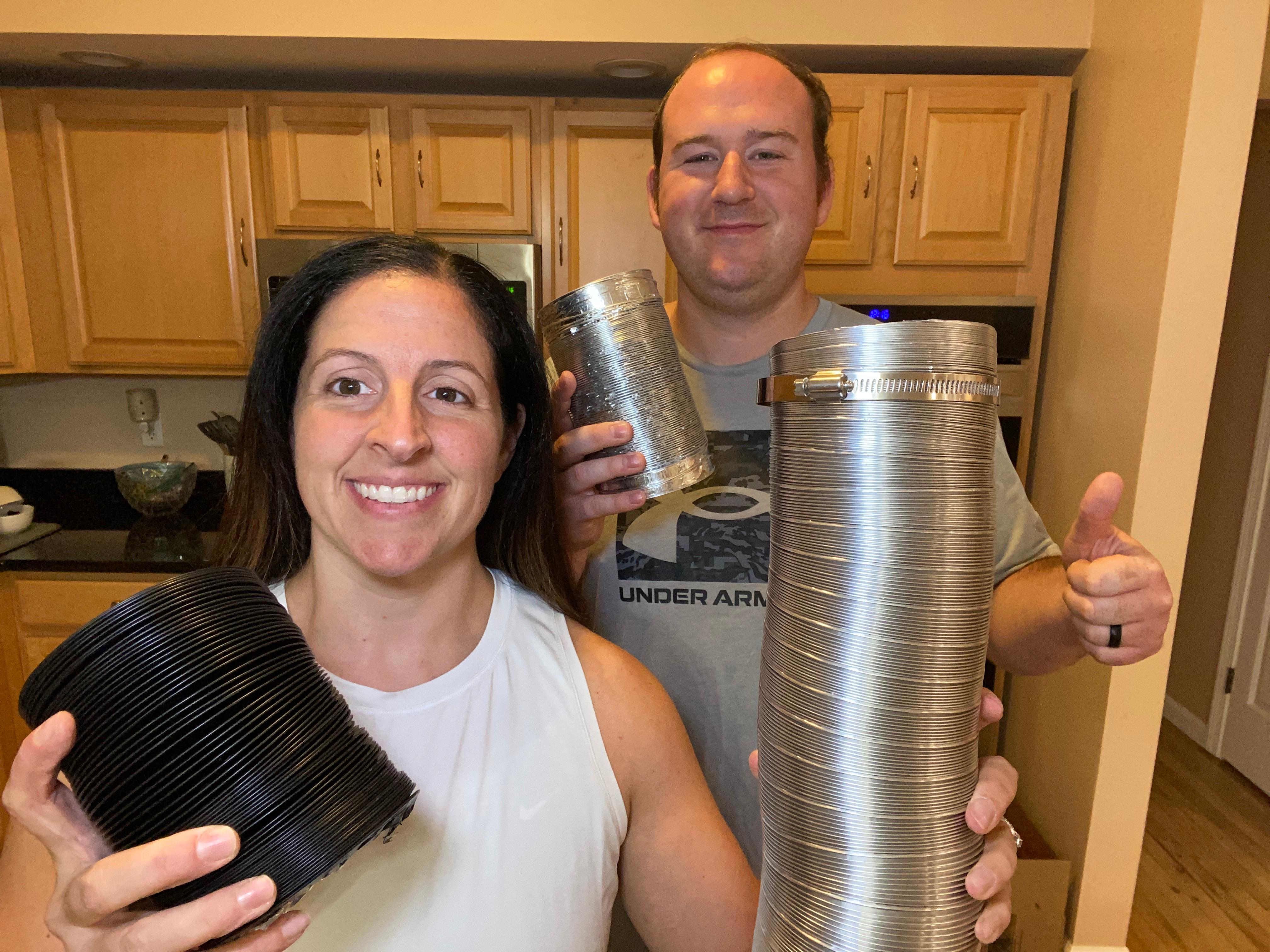
Product Review: Semi Rigid Aluminum Dryer Vent Hose with 2 Clamps, Gloves & Tape
- Premium Construction: Crafted from semi-rigid, high-quality aluminum foil, this dryer vent hose is recommended by leading household dryer manufacturers. It offers superior durability compared to standard aluminum foil or PVC dryer hoses.
-
Easy Installation in Tight Spaces: Designed for narrow installation spaces, this dryer vent hose allows for 90-degree bending. The included accessories provide a convenient and secure installation process, perfectly solving the problem of loose connections.
-
Fireproof and Flame Resistant: Tested and rated as Class "0" for fire resistance, the HON&GUAN semi-rigid dryer hose ensures safety by preventing flame and smoke spread within a temperature range of -22°F to 482°F
Amazon shop link: HON&GUAN semi-rigid dryer hose
6. Ignoring Exterior Vent Details
Don’t underestimate the exterior vent. A simple screen may seem protective, but it can trap lint quickly. Professionals recommend using a dampened vent hood that lets moist air escape efficiently without blockage.
7. Using Wrong Connectors
DIY repairs sometimes use duct tape or cheap materials to seal seams. These materials can deteriorate quickly and fail, letting lint escape. Instead, choose high-quality foil tape or metal clamps designed specifically for dryer vent hose installation.
8. Placing Near Flammables
Installing the vent hose near combustible materials like insulation, boxes, or open storage is a risky mistake. Check local building codes for required clearances to reduce fire hazards.
9. Missing Professional Checks
Whether you install it yourself or hire someone, missing a professional inspection can allow hidden problems to persist. Certified technicians can catch code violations, improper angles, or material issues that homeowners might overlook.
10. Ignoring Manufacturer Specs
Last but not least, every dryer comes with specific instructions regarding vent hose type, length limits, and placement. Ignoring these specs often leads to inefficiency and increased risk — and can void warranties. Always follow the manufacturer’s installation guide.
Smart Installation = Safer Home — avoiding these dryer vent hose installation mistakes protects your machine, your energy bill, and your home.
