Introduction: The Everyday Laundry Problem
If you've ever emptied your dryer only to find your dryer vent hose clogged with lint, you're not alone. Every dryer sheds tiny fibers from your clothes, towels, and bedding during the drying cycle. Over time these fibers can accumulate in your dryer hose and vent system, reducing airflow, increasing drying time, and even creating serious fire hazards. The simple built-in lint trap in your dryer catches most of the lint, but not all of it — especially the finer fibers that can travel down the vent line toward your exterior vent.
1. What Is a Dryer Lint Trap Box?
A dryer lint trap box, also known as a secondary or inline lint trap, is an additional lint-catching unit installed along the exhaust pathway of your dryer — typically right after the dryer exit and before the vent hose continues toward the wall. Unlike the internal removable lint trap built into the dryer’s door or top frame, this box provides extra protection by capturing additional lint that escapes the primary trap.
2. How Does a Lint Trap Box Work?
Simply put, as hot moist air carrying tiny fibers leaves your dryer, the air passes through the lint trap box filters. Inside the box are two stages of mesh or fabric screens that work together:
- Coarse Filter: Catches larger clumps and fibers before they reach the finer filter.
- Fine Filter: Captures smaller lint particles that escaped the primary screen inside the dryer itself.

These filters force the airflow to slow and change direction slightly, causing lint particles to stick to the mesh rather than continuing through your vent hose. Periodically, you open the box and clean out the collected lint so that airflow remains optimal.
3. What's Inside a Lint Trap Box?
Most lint trap boxes contain:
- Outer Housing: Plastic or metal box that attaches inline with your vent hose.
- Pre-Filter Screen: Larger mesh often diagonally placed.
- Fine Filter Screen: Smaller mesh for finer particles.
- Access Door or Lid: Allows easy removal of trapped lint during maintenance.
4. Why You Need a Lint Trap Box: Benefits & Fire Safety
Installing a lint trap box on your dryer hose isn’t just about cleanliness — it directly improves safety and performance:
- Reduced Fire Risk: Lint buildup in vents is a leading cause of dryer fires. A secondary trap helps prevent excessive buildup deep in your vent system.
- Better Airflow & Efficiency: Cleaner vents mean your dryer doesn’t have to work as hard, lowering energy use and drying time.
- Longer Appliance Life: When airflow is unobstructed, internal components run cooler and under less stress.
5. Dryer Hose & Vent Line Importance
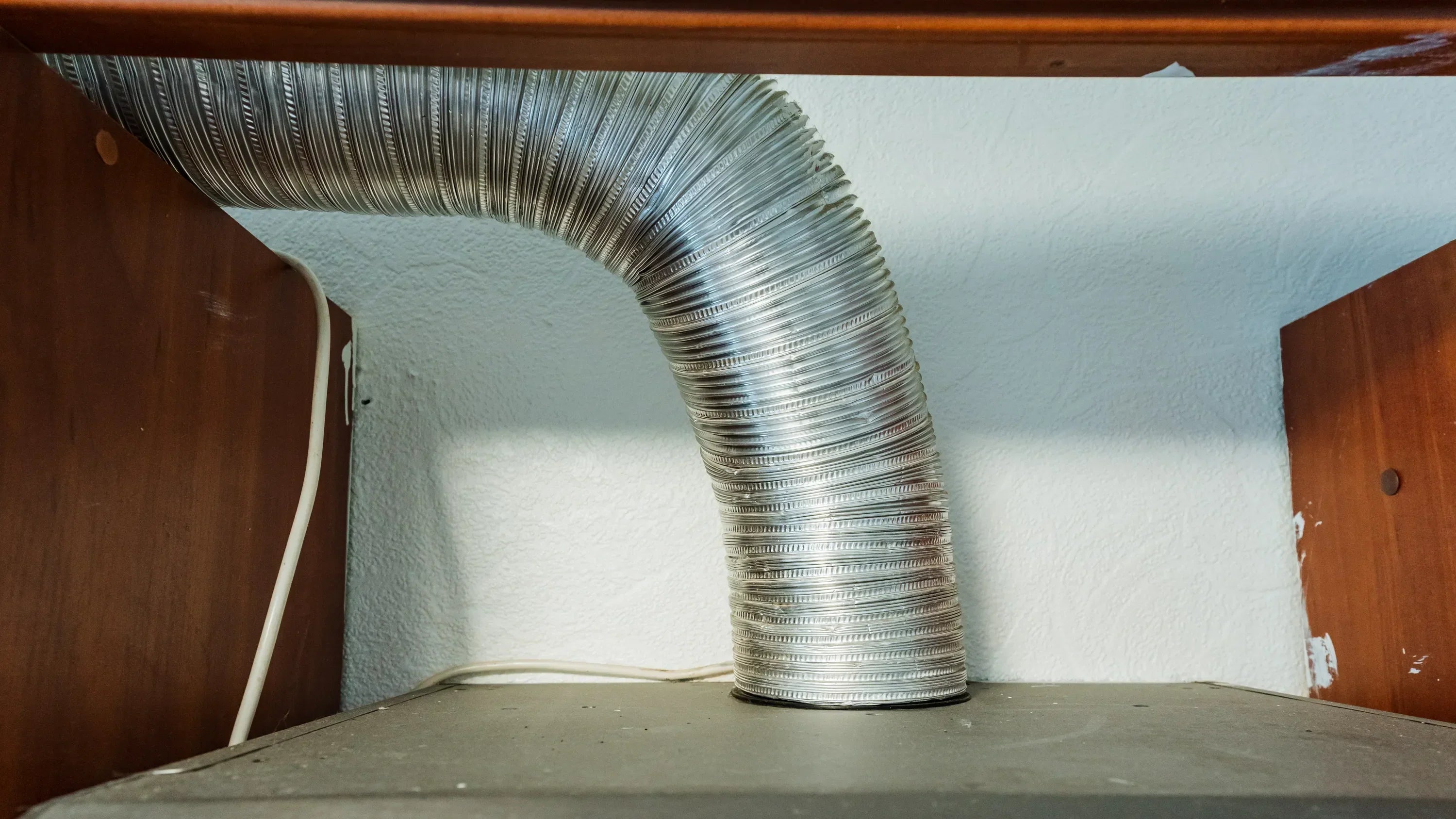
Your dryer hose connects the dryer exhaust outlet to your external wall vent. Keeping this dryer vent hose free from lint is essential because any blockage restricts hot air flow. Restricted airflow not only lengthens drying cycles but also leads to overheating, which damages parts and increases risk. The lint trap box acts as a protective checkpoint to catch fibers before they reach deep into this hose where cleaning is more difficult.
6. How to Install a Dryer Lint Trap Box
Proper installation helps ensure your lint trap box functions correctly. For a step-by-step guide on mounting, connecting, and sealing your lint trap box with your existing dryer vent hose, you can check out our detailed installation article with photos and tools list. This linked article walks you through each stage safely and efficiently.
7. Real News & Customer Stories
Lint buildup is more than just an annoyance — it’s a safety issue. Experts recommend cleaning lint traps before or after every cycle to maintain airflow and reduce fire risks.
One homeowner shared how adding a secondary lint trap box cut their exterior vent cleanings from weekly to bi-monthly, dramatically reducing time spent unclogging lint from the outside vent cap. Many Reddit users have reported that fine fibers still reach their outdoor vent even after regular cleaning of the built-in trap, but once they added a lint trap box inline with their dryer hose, lint build-up dropped substantially.
8. Recommended Dryer Lint Trap Box Options
If you're upgrading your dryer vent hose system, choosing a high-performance dryer lint trap box can improve safety, airflow, and energy efficiency. Here are two advanced options from our brand:
Upgraded Water-Drawer Dryer Lint Trap
This upgraded model features an innovative water drawer system that captures lint inside a removable reservoir. The water-assisted filtration helps trap fine lint before it enters the exhaust duct, reducing buildup inside your dryer vent hose and making cleaning easier. Simply remove and empty the drawer for quick maintenance.

Indoor Dryer Vent Box with Safety Alert
This indoor dryer vent box includes a safety vent flap that automatically opens if airflow becomes restricted, helping prevent overheating and alerting you to clean the filter. Its upward-facing air outlet design reduces duct blockage and allows warm air to circulate indoors during winter, improving energy efficiency.

Both models provide reliable secondary lint filtration and are compatible with standard dryer vent hose systems, making them smart upgrades for safer, more efficient drying.
9. Maintenance Tips
To keep your lint trap box working well:
- Check and empty the lint collection chamber after several drying cycles.
- Inspect the filters for damage or tears — replace if needed.
- Inspect your dryer hose connections to ensure no air leaks, and keep them clean.
Conclusion
A dryer lint trap box is an affordable and effective way to boost your dryer’s performance and safety. By capturing additional lint before it reaches your dryer hose and vent system, it helps prevent fire hazards, improves airflow, and extends your machine’s life.