❤Bookmark to follow updates❤
Introduction
Many dryer vent problems don’t start inside the wall—they start right behind the dryer.
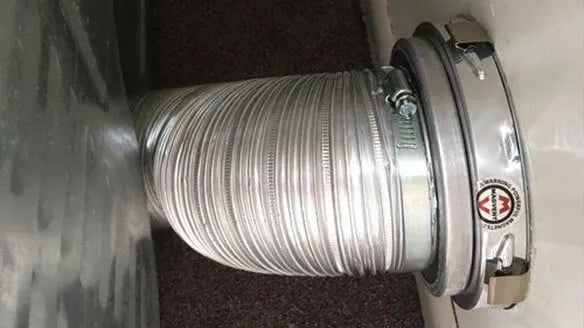
The flexible dryer vent hose, AKA a transition hose, is one of the most overlooked components in the entire dryer exhaust system. Homeowners usually notice it only when something goes wrong: the hose falls off, leaks hot air, collects lint around the floor, or feels unusually hot after a cycle. At that point, the questions begin—but clear answers are surprisingly hard to find.
Is the hose too long? Is it safe to use tape? Should it touch the wall? Why does it keep coming loose? Is this a fire risk? ……
This pillar page exists to organize those questions into a whole, clear framework. It summarizes the most common dryer vent hose problems you may encounter, and the solutions for each.

Common Dryer Vent Hose Problems & Solutions (Table of Contents)
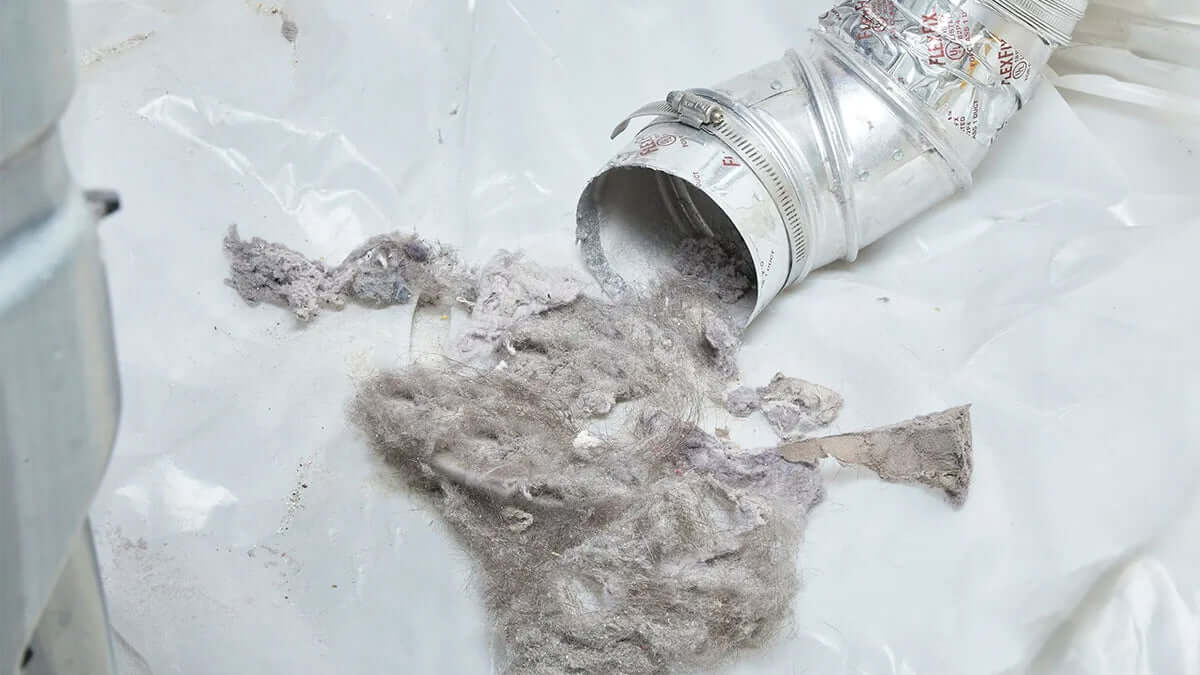
- Lint buildup and clogging -
- Hose too long or excessive bends - How to Cut a Dryer Vent Hose
- Crushed or deformed vent hose - How to Prevent Crushed Dryer Vent Hose
- Vent hose loose, leaks, holes, and cracks - How to Fix a Loose or Falling Dryer Vent Hose
- Loose or poorly sealed hose connections -
- Incorrect hose diameter or sizing issues -
- Wrong or heat-intolerant hose materials -
- Hose Concealing
Dryer Vent Hose Problems Summary
Dryer vent hose problems are rarely random. In most cases, they are the result of avoidable installation mistakes: excessive length, compression behind the dryer, incorrect sealing materials, loose connections, or airflow resistance caused by poor routing.
The key takeaway is simple:
- A dryer vent hose should be short, straight, mechanically secured, and properly sealed
- Air or lint leakage is a warning sign, not a normal condition
- Overheating at the hose often signals restricted airflow downstream
- Temporary fixes—like improper tape use—can create long-term safety risks
This pillar page serves as the foundation. Each article linked above dives into a specific dryer vent hose problem, explaining why it happens, how to diagnose it correctly, and how to fix it without guessing. Whether you’re dealing with excessive hose length, sealing mistakes, vibration issues, or airflow loss, the answers are organized above so you can move directly to the solution that matches your situation.
Start with the issue you’re facing—and work your way back to a safer, more efficient dryer setup.